- →EPA guideline: DIY is only appropriate for growth smaller than about 10 sq ft (roughly a 3'×3' patch).
- →Bleach doesn't kill mold on porous surfaces — it just bleaches the color.
- →Never DIY if HVAC is involved, if anyone in the home is immunocompromised, or if the source is unknown.
- →Always wear an N95, gloves and eye protection — and never sand or dry-brush mold.
The 10-square-foot rule
The EPA's residential mold guidance draws a bright line at roughly 10 square feet of contiguous growth — about the size of a bath towel. Below that, most homeowners can clean safely with the right PPE. Above that, you're in professional-remediation territory, because the volume of spores released during cleanup can contaminate the rest of the house.
How to do it safely (small patch, hard surface)
- Wear an N95 respirator, nitrile gloves and eye protection.
- Close the door to the room and open a window if possible.
- Mist the area lightly with water first — never dry-brush.
- Wipe with a mild detergent + water (or 1:1 white vinegar solution) using disposable cloths.
- Bag cloths in a sealed plastic bag immediately and take outside.
- Dry the area thoroughly and fix the moisture source before it comes back.
When to stop and call a pro
- Growth is larger than about 10 sq ft or spans multiple rooms.
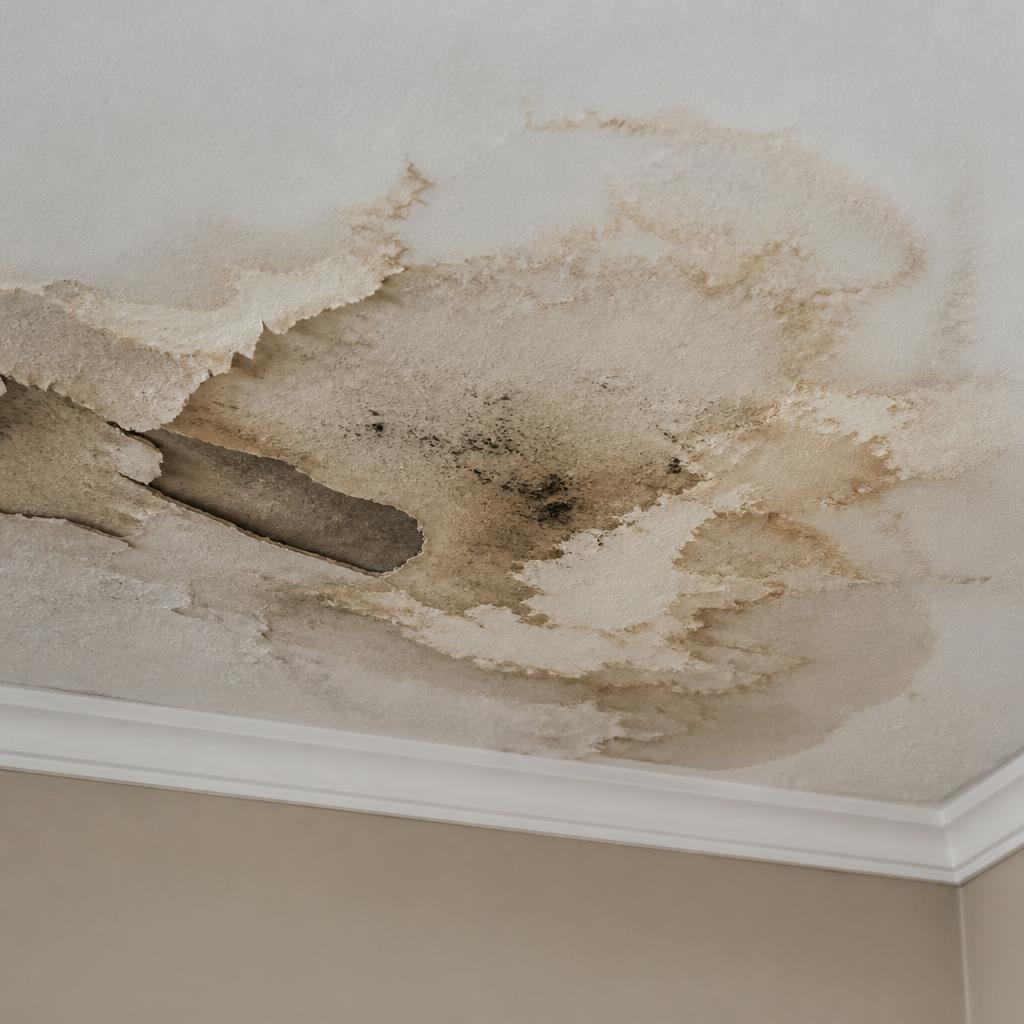
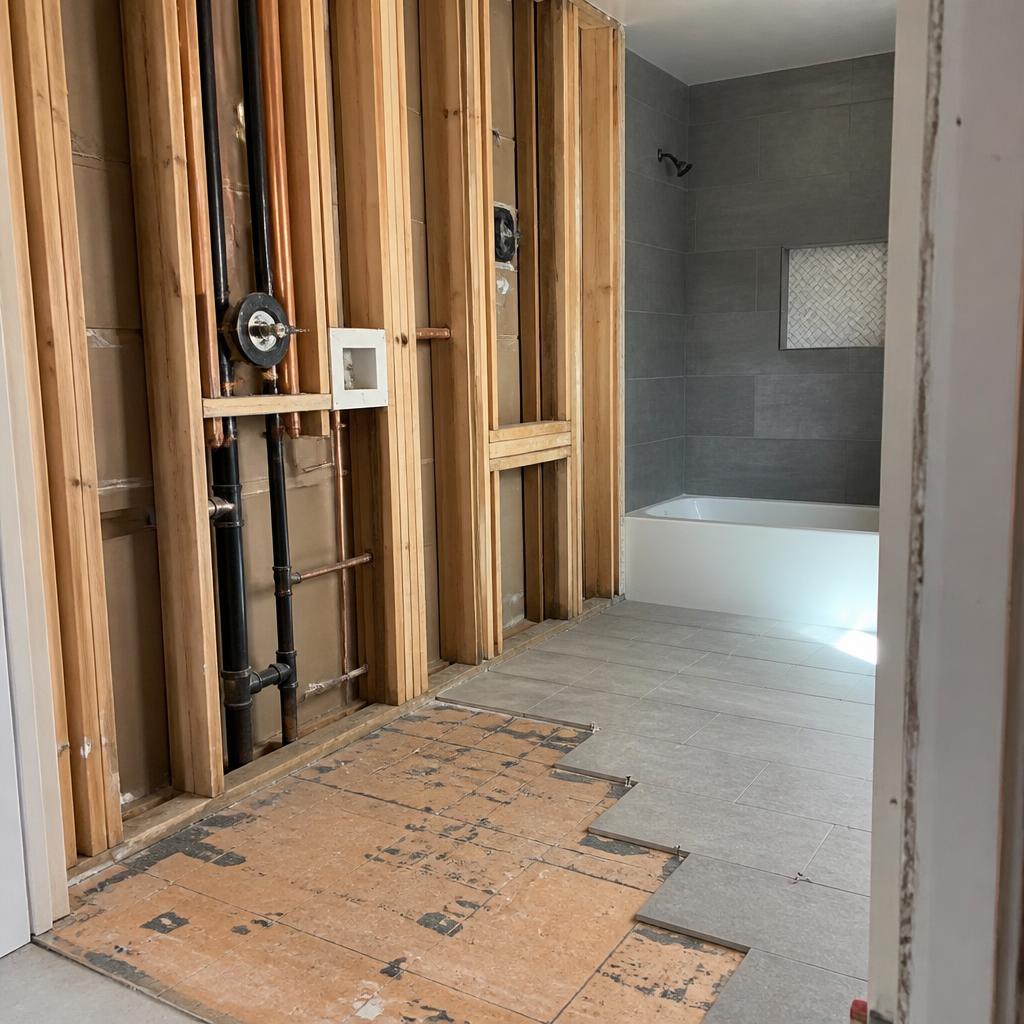
- Mold is on porous material — drywall, wood, insulation, carpet or ceiling tile.
- The HVAC system is involved (mold at vents, on the coil, or musty air from the ducts).
- There's been standing water for more than 48 hours.
- Anyone in the home has asthma, allergies, is immunocompromised, or is pregnant.
- You don't know the moisture source.
What actually kills mold
The EPA does not recommend using bleach to clean mold on porous surfaces. The chlorine evaporates quickly and the water content actually feeds mold deeper into the material. Use these instead:
- Detergent + hot water — mechanical removal is the goal, not chemical killing.
- White vinegar (undiluted) — kills up to 82% of mold species on non-porous surfaces.
- Hydrogen peroxide (3%) — good for grout and colored surfaces where vinegar isn't enough.
- Commercial EPA-registered fungicides — required for professional remediation.
"The point of remediation isn't to sterilize the surface — it's to physically remove the growth and its food source. Chemistry alone doesn't do that."
Is bleach ever appropriate?+
Yes — on non-porous surfaces like tile, glass or metal, a dilute bleach solution can help. But even there, detergent + mechanical scrubbing is usually just as effective and safer indoors.
Do air purifiers help?+
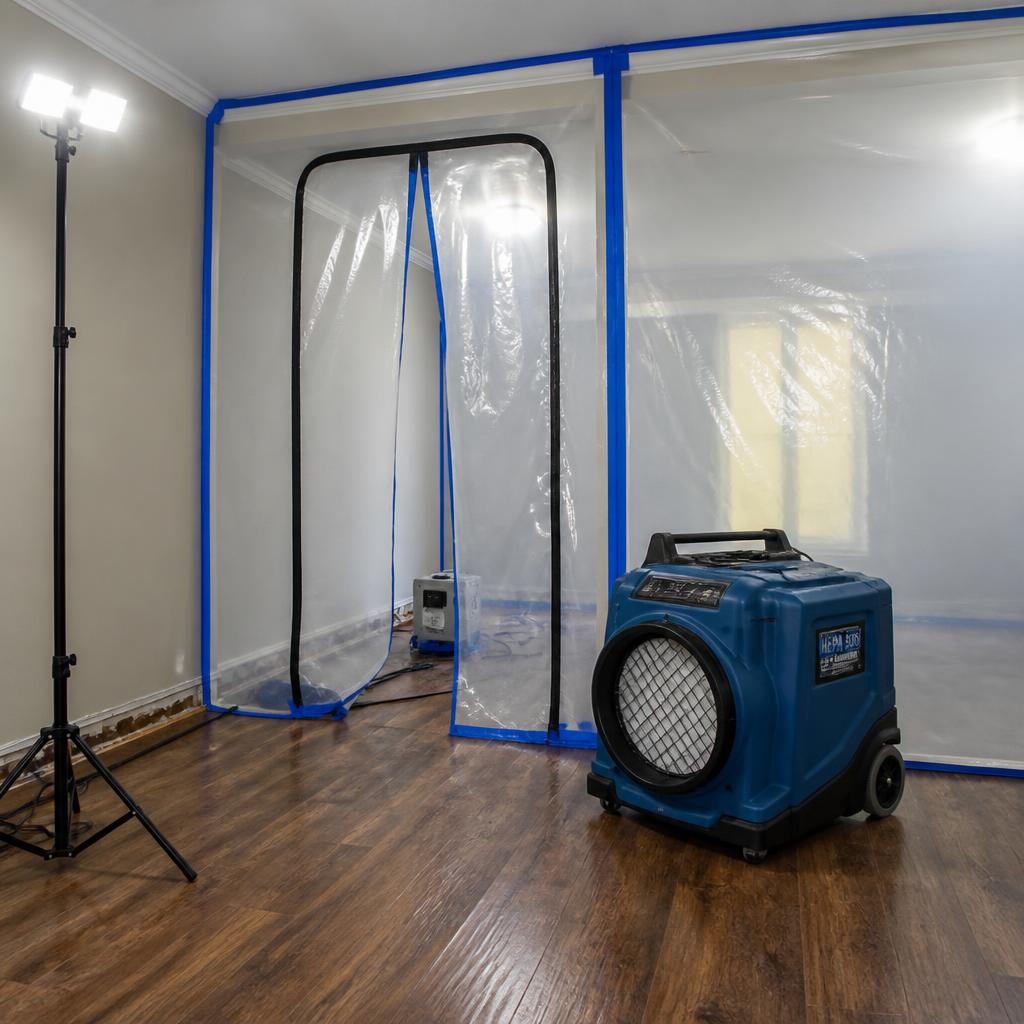
A true HEPA air scrubber can reduce airborne spore counts during and after cleaning, but it does not treat the source. Use it as a supplement, not a substitute for removal.
Book a Central Florida mold inspection.
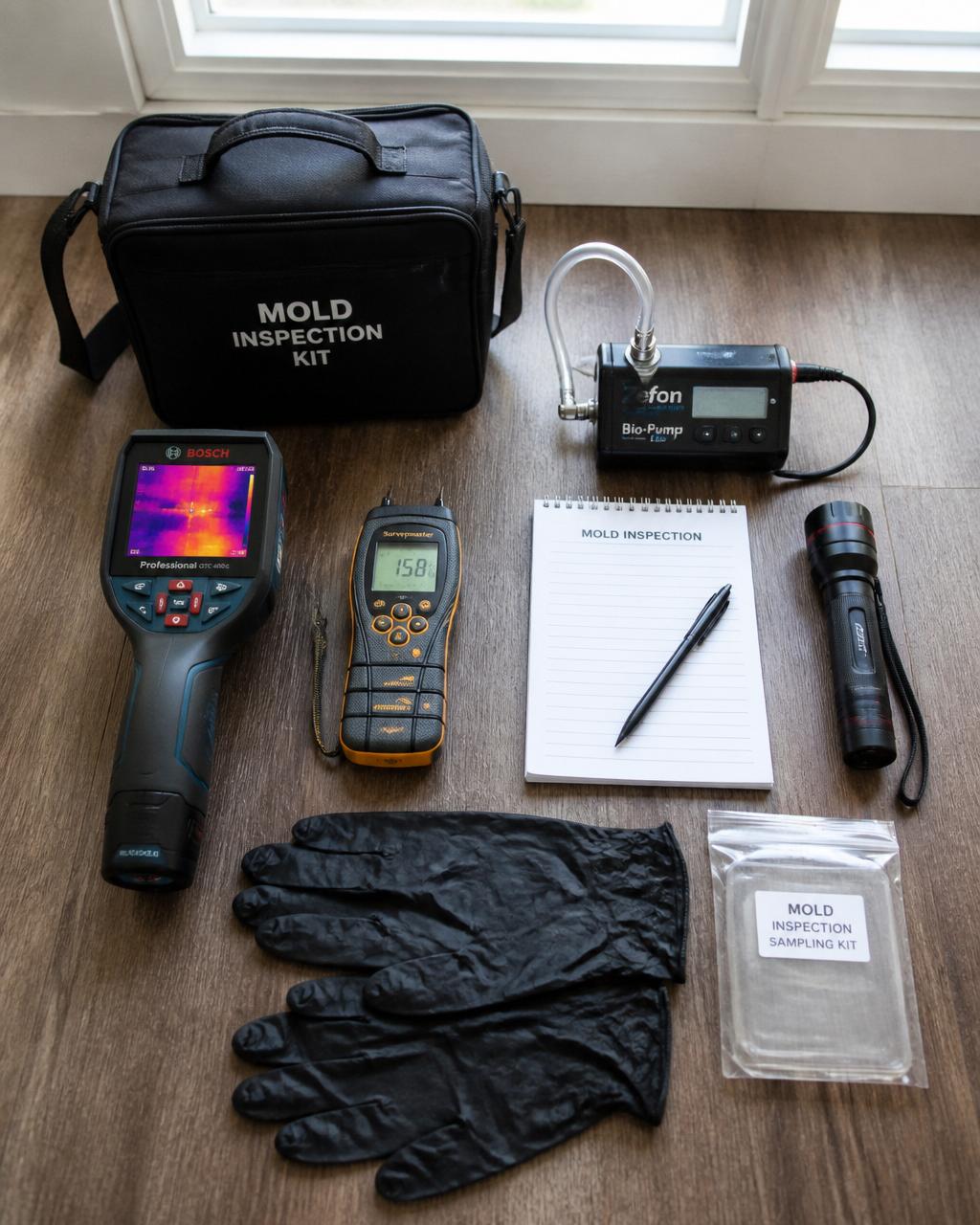
Inspections start at $250 with moisture mapping, thermal imaging and — when needed — lab-analyzed air samples.