
- →A persistent musty odor is the #1 sign of hidden mold, even when nothing is visible.
- →Water stains, peeling paint and warped baseboards almost always mean moisture is trapped behind the surface.
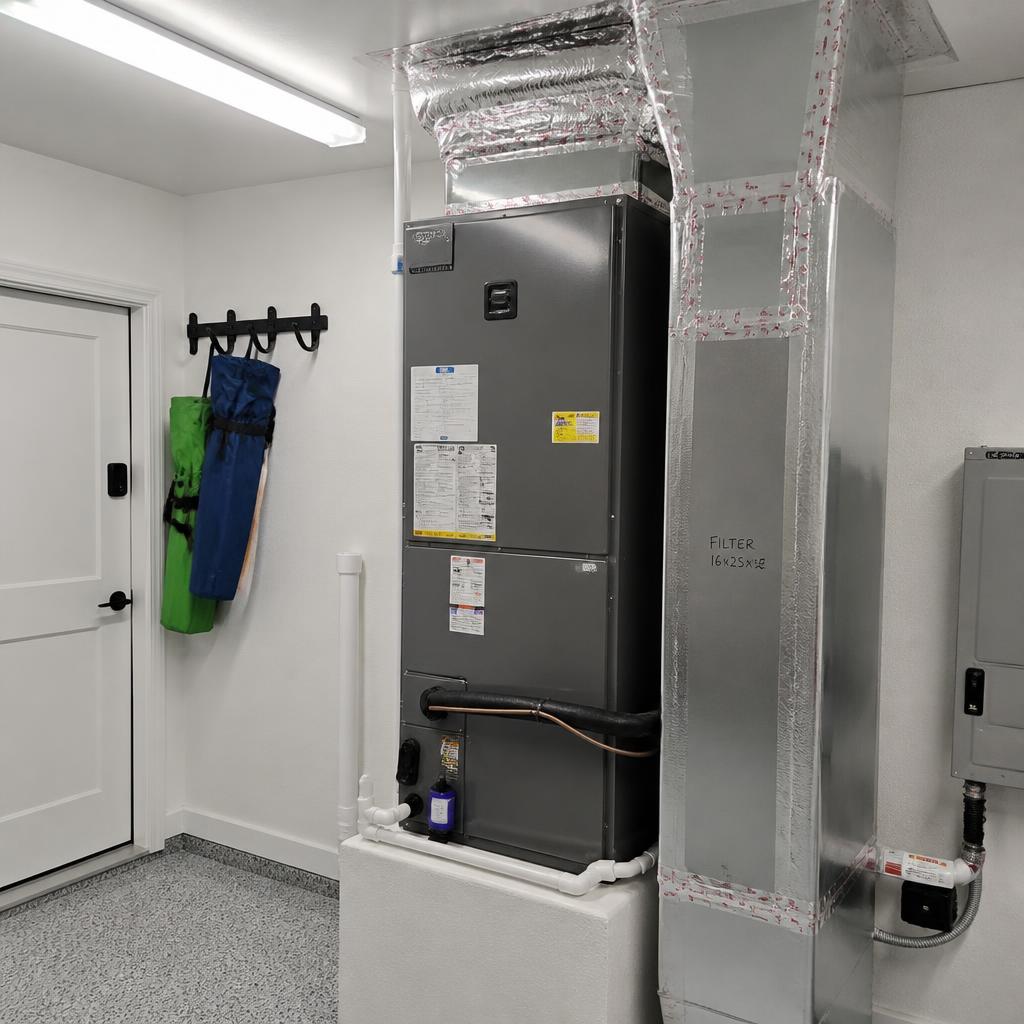
- →In Florida, an AC that runs constantly or feels 'sticky' is a top hidden cause of mold growth.
- →If two or more signs are present, book a professional mold inspection before doing any repairs.
If you live in Central Florida, mold isn't an if — it's a when. Between summer humidity that lingers above 70%, afternoon storms, and homes that stay closed up with the AC running, indoor conditions in Orlando, Deltona and Sanford are almost perfectly designed for mold to establish a foothold.
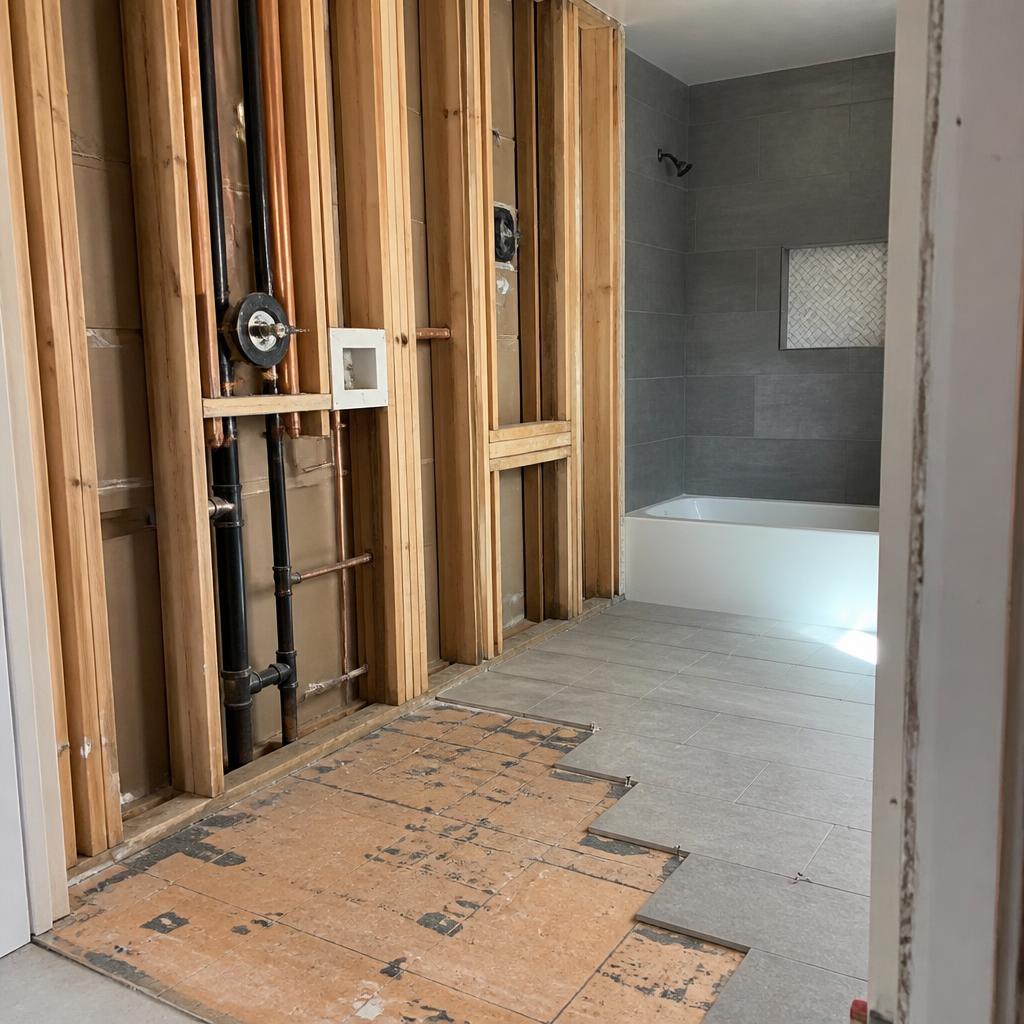
The tricky part is that most mold growth starts out of sight — inside a wall cavity, above the drop ceiling in a Florida room, or on the back of a vanity where a slow supply-line drip has gone unnoticed for months. By the time you see it, the colony has usually been growing for weeks.
Why Florida homes are mold magnets
Mold spores are everywhere — indoors and outdoors, all year. They only become a problem when they find three things: a food source (drywall paper, wood, dust), a surface to attach to, and moisture. In Central Florida, that last ingredient is almost always present.
- Average outdoor relative humidity of 70–85% from May through October.
- Frequent short, intense rain events that push water into stucco cracks, roof valleys and window frames.
- AC systems that struggle to remove humidity when oversized or short-cycling.
- Tile and concrete-block construction that traps moisture behind interior finishes.
The 10 warning signs
1. A musty, earthy smell that won't go away
That damp, 'basement' smell is caused by microbial volatile organic compounds (MVOCs) released by active mold colonies. If it hits you when you open a closet, walk into a spare bathroom, or turn on the AC after a trip, treat it as a strong signal — not a nuisance.
2. Discoloration or spotting on walls and ceilings
Black, green, brown or pink spots — especially in bathrooms, laundry rooms and around window frames — are often the visible tip of a much larger colony inside the wall cavity. Do not paint over them.
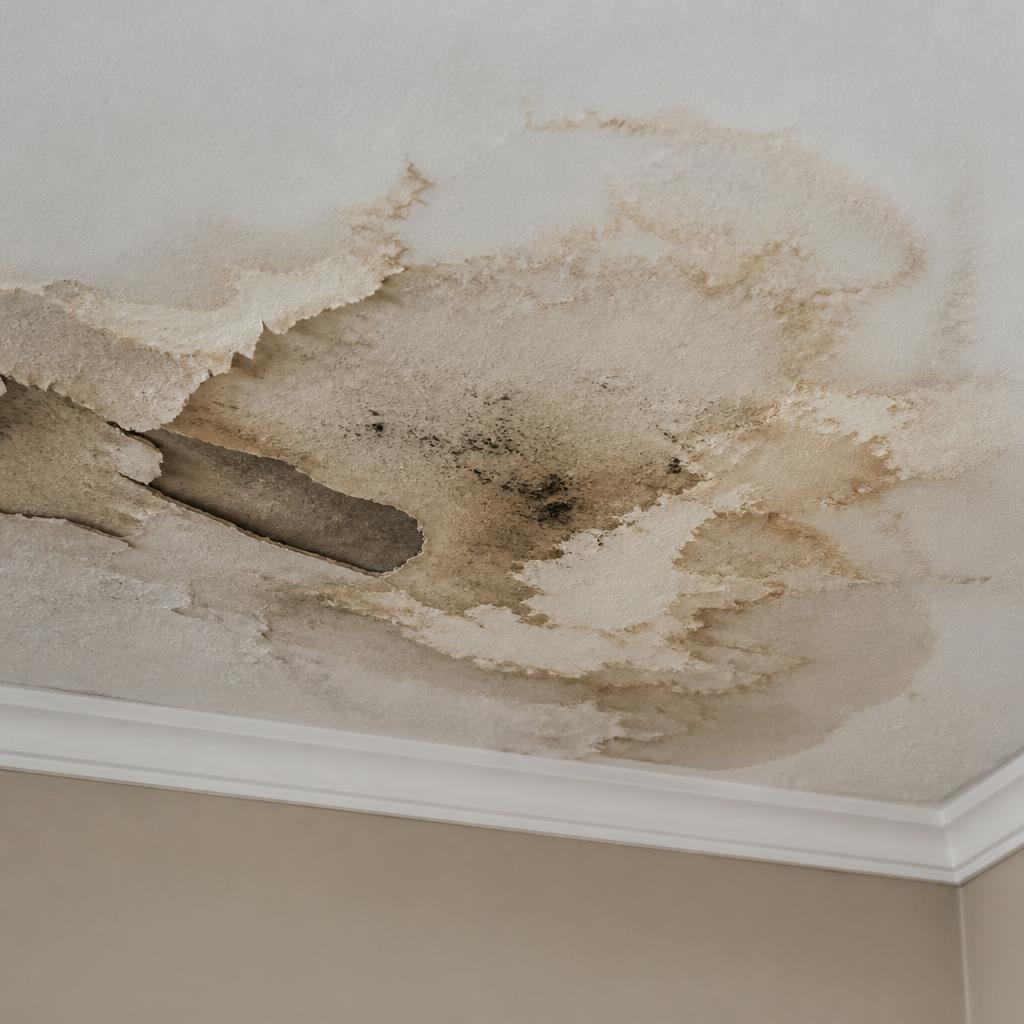
3. Water stains, rings or 'ghosting'
Yellow-brown rings on ceilings usually trace back to a roof leak, HVAC condensate line, or upstairs plumbing. Any stain larger than a coffee cup deserves a moisture check.
4. Peeling paint, bubbling wallpaper or warped baseboards
Paint peels because moisture is pushing outward from behind the surface. In Florida, this is one of the most reliable indicators of a hidden leak — and it means the substrate is already wet enough for mold.
5. Allergy or asthma symptoms that improve when you leave the house
Sneezing, itchy eyes, headaches, brain fog and worsened asthma that clear up on vacation and come back at home are classic indoor-air symptoms. Children, seniors and immunocompromised residents are affected first.
6. An AC that runs constantly but the house still feels 'sticky'
When indoor humidity stays above ~60%, mold will grow on cool surfaces even without a leak. An HVAC system that can't pull humidity down is one of the top causes of whole-house mold problems we see in Central Florida.
7. Black dust around AC vents or on the return grille
Dark specks around supply registers usually mean mold is growing on the coil, in the plenum, or inside the return-air chase. It gets distributed everywhere the AC blows.
8. Condensation on windows, mirrors or toilet tanks
Persistent condensation means indoor moisture is high enough to reach the dew point of cool surfaces — the same conditions mold thrives in.
9. Recent water damage that was 'dried out' with fans
Household fans do not dry building materials to the industry standard (typically <16% moisture content). If a leak, toilet overflow or storm intrusion was handled DIY, mold can begin within 24–48 hours.
10. A recent roof, plumbing or window repair with lingering odors
Even a properly repaired leak can leave wet insulation or framing behind the finish. Post-repair air sampling is one of the most common tests we run.
Where mold usually hides in Central Florida homes
- Behind and beneath bathroom vanities (slow supply-line drips)
- Inside AC air handlers, plenums and return chases
- Above ceiling tiles in Florida rooms and lanais
- Behind refrigerators and washing machines
- Attic sheathing under poorly-vented roofs
- Interior side of exterior stucco walls after wind-driven rain
What to do if you spot the signs
- Stop DIY: do not sand, scrub or paint suspected mold — you'll aerosolize spores.
- Photograph the area and note when you first noticed it.
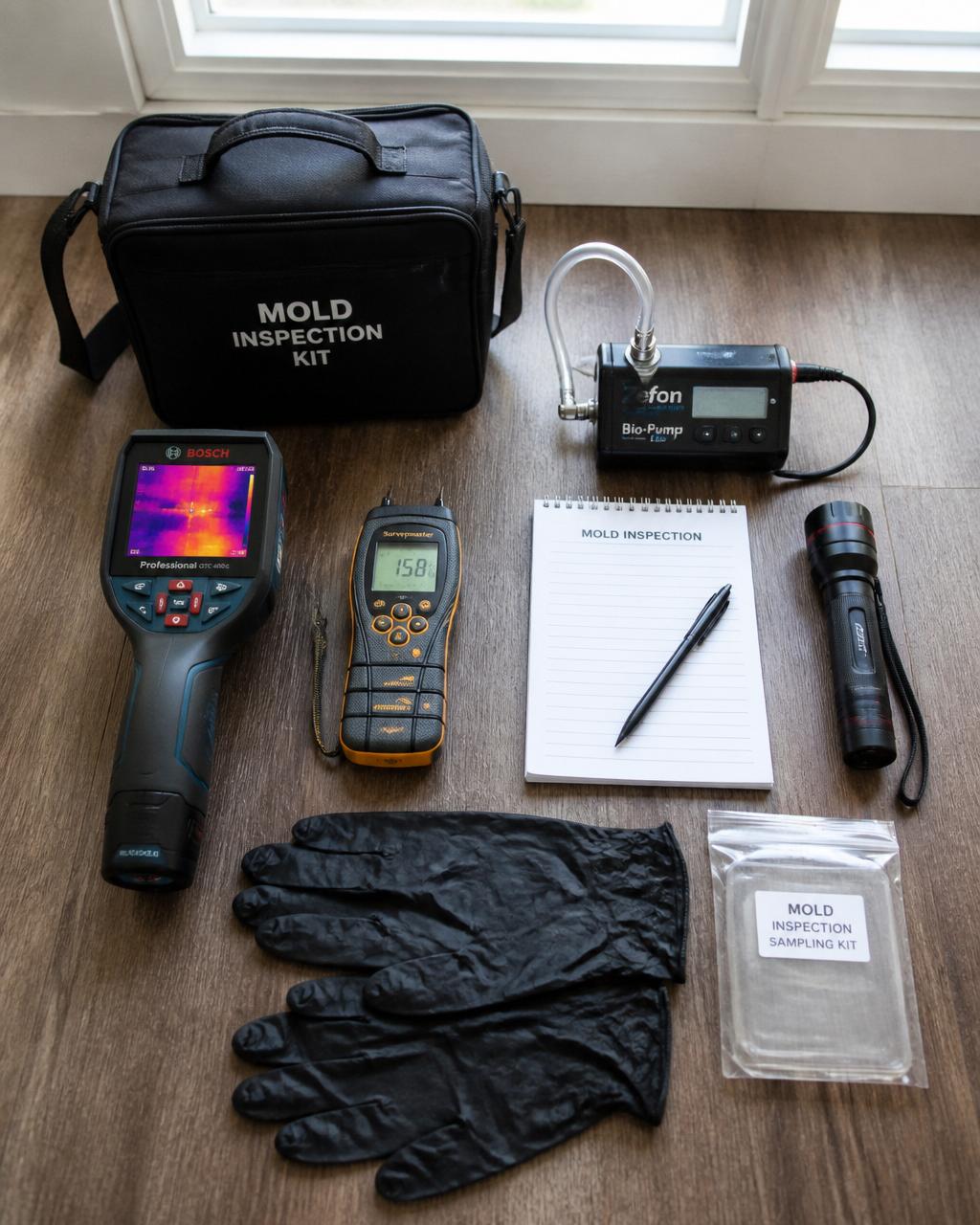
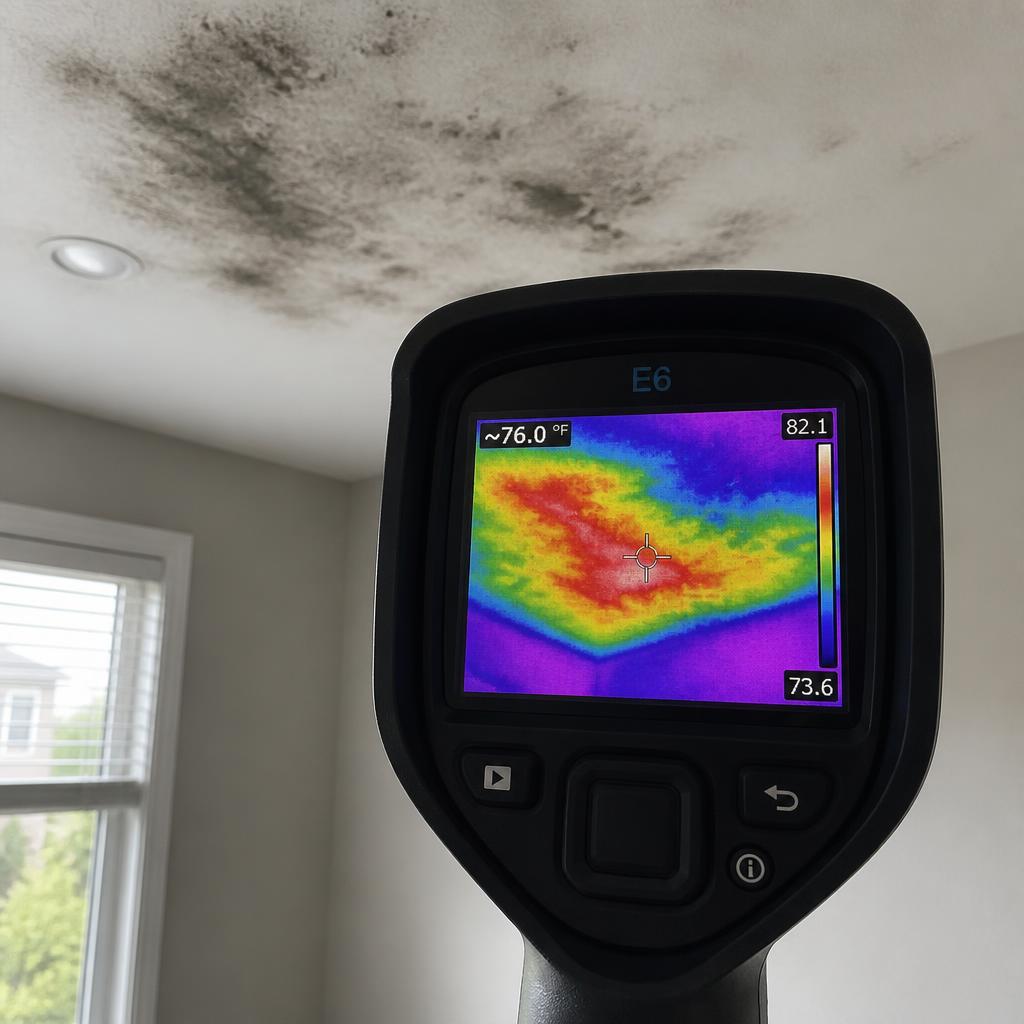
- Book a professional mold inspection with moisture mapping and, if warranted, air sampling.
- Only after third-party testing, engage a remediation crew that follows IICRC S520 containment protocols.
- Get post-remediation verification (a 'clearance test') before rebuilding.
"By the time a homeowner smells mold, we're usually looking at a colony that's been growing for three to eight weeks. Early inspection is what saves the drywall — and the budget."
— Florida Mold Services field notes
How much does a mold inspection cost in Florida?+
A standard residential mold inspection in Central Florida starts around $250 and includes a full visual walkthrough, moisture mapping and thermal imaging. Lab-analyzed air or surface samples are typically $75–$125 each.
Is black mold in Florida really dangerous?+
Not all black-colored mold is Stachybotrys, and not all Stachybotrys causes acute illness — but any active mold colony indoors is a health and structural concern, especially for children, elderly residents and anyone with asthma or a weakened immune system.
Can I just spray bleach on it?+
No. Bleach only kills surface mold on non-porous materials and can actually feed mold on drywall and wood by adding moisture. Proper remediation removes the affected material inside a contained work area.
Book a Central Florida mold inspection.
Inspections start at $250 with moisture mapping, thermal imaging and — when needed — lab-analyzed air samples.