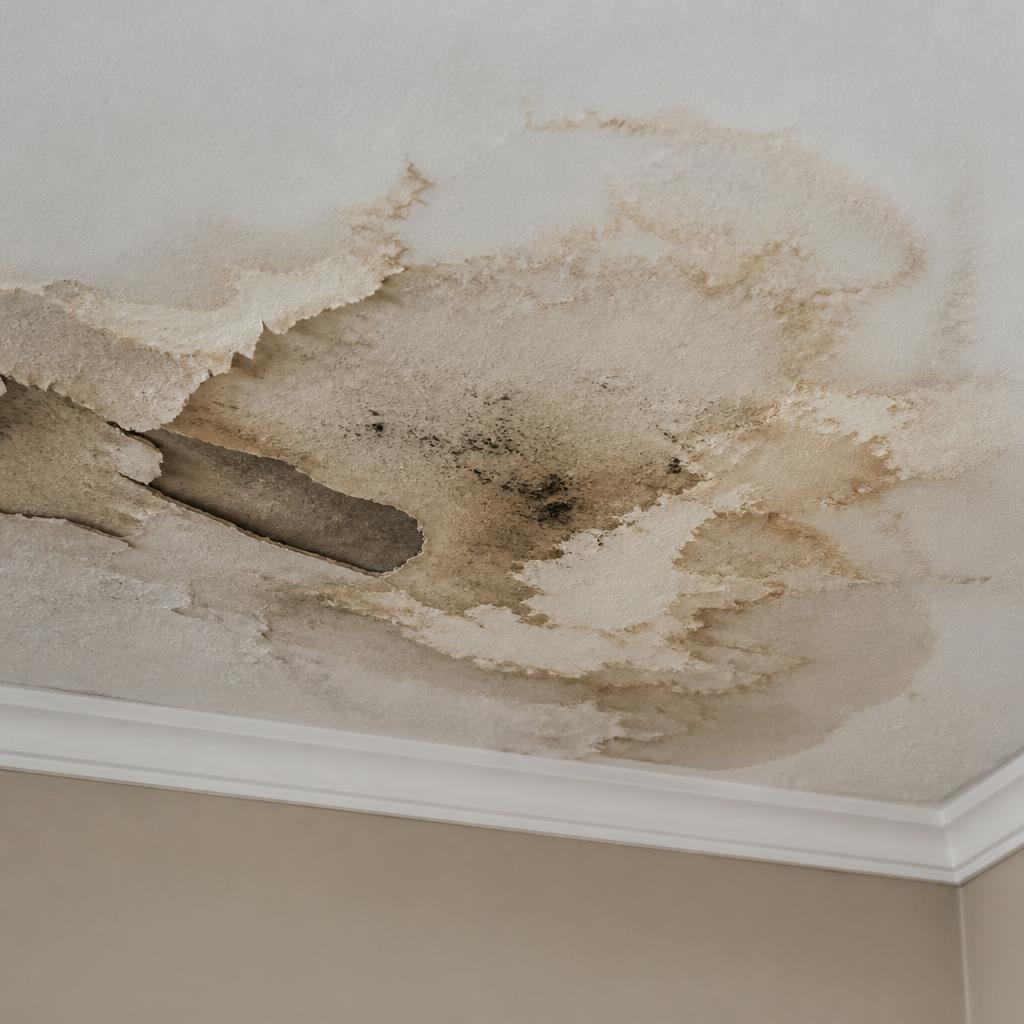
- →Mold grows on any surface once the local relative humidity exceeds ~70% for more than 48 hours.
- →In Florida, that condition is met inside closets, cabinets and behind furniture without any leak.
- →Oversized AC systems short-cycle and never dehumidify properly — a top hidden cause.
- →Target indoor RH of 45–55% year-round to keep mold from establishing.
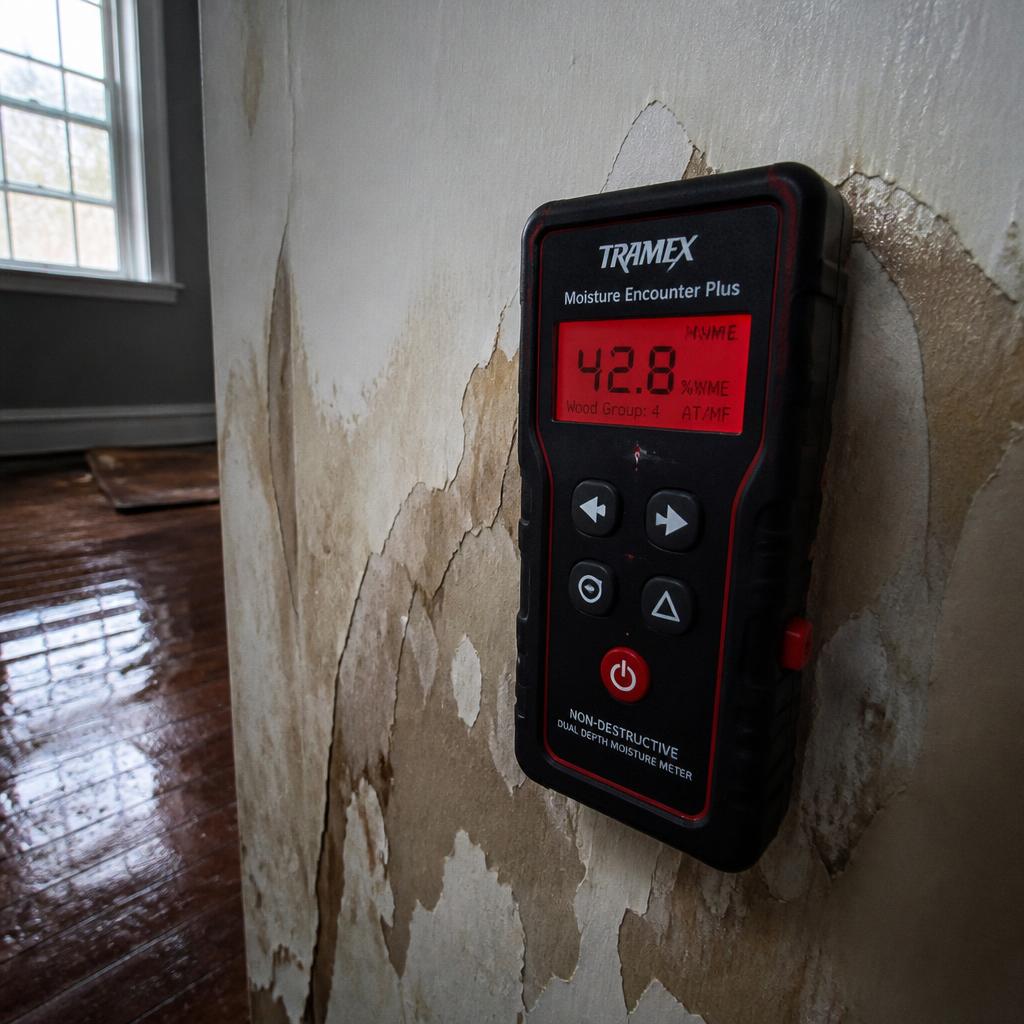
Ask any Central Florida mold inspector what causes most of the calls we get, and 'humidity' comes before 'leak.' You don't need a burst pipe to grow mold in Orlando — you just need indoor moisture that never leaves.
The moisture science
Mold spores germinate when the water activity (aw) at a surface exceeds about 0.8. In practical terms, that maps to a local relative humidity of around 70% held for 24–48 hours. You'll hit that threshold inside a closed closet on a rainy August day even if the thermostat reads 74°F.
The kicker: those pockets of high humidity often exist in a house where the main-room hygrometer reads a comfortable 55%. Micro-climates matter.
Where humidity mold shows up first
- Master closets on exterior walls — cool wall, warm humid air, no airflow.
- Under-sink cabinets — dead air plus occasional condensation on cold copper.
- Behind headboards, dressers and sofas pushed tight to exterior walls.
- Guest bathrooms that don't get used often (no fan runtime, standing humidity).
- Vacant vacation homes and rentals where the thermostat is set to 78–80°F to save energy.
How your AC makes it worse
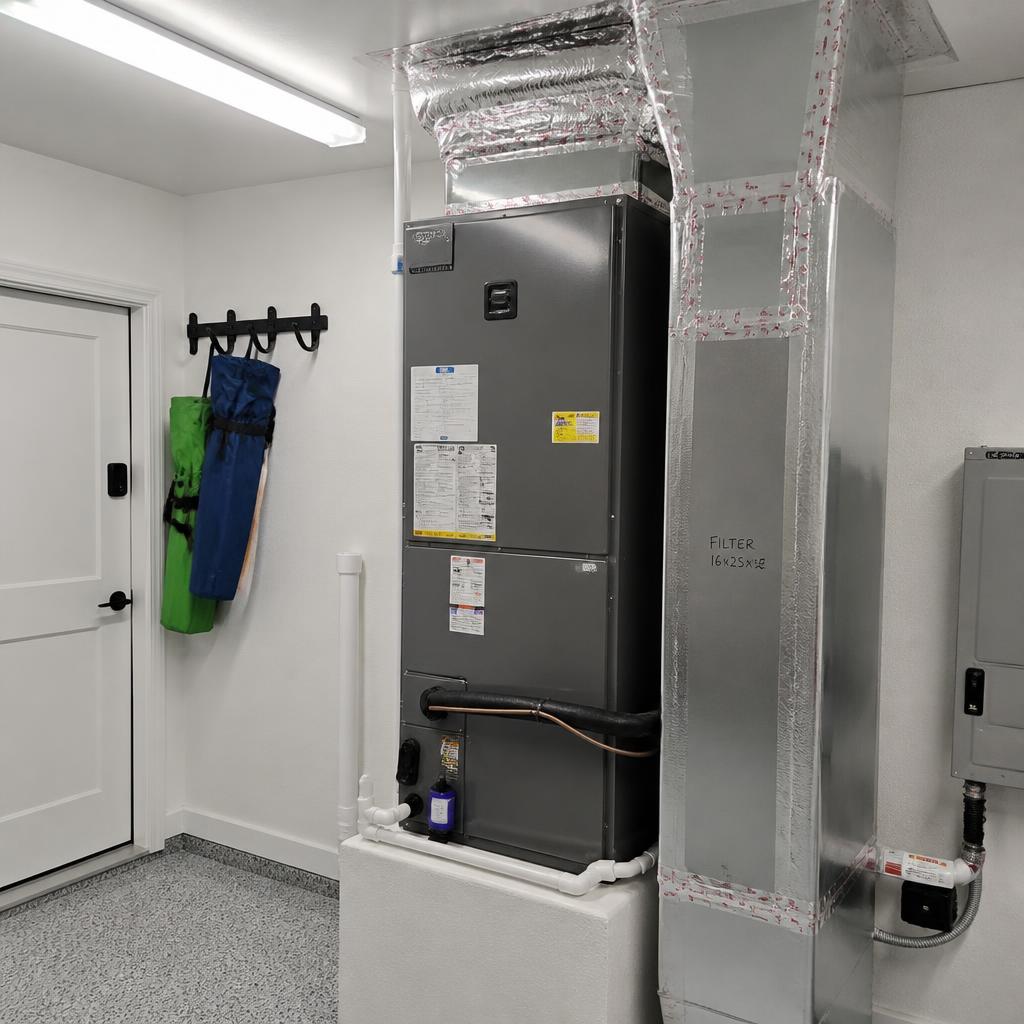
Air conditioners dehumidify only when the coil runs long enough for water to condense and drain. In Florida homes with oversized systems (common in tract construction), the compressor short-cycles: it cools the air quickly, satisfies the thermostat, and shuts off — leaving the humidity in the air.
- A 3-ton system in a house that really needs 2 tons will never pull humidity down.
- Return-air chases built into wall cavities can leak humid attic air directly into the system.
- Dirty coils and clogged condensate drains re-evaporate water back into the airstream.
How to fix it
- Buy a $15 hygrometer for each floor. Log readings morning and evening for a week.
- Aim for indoor RH between 45–55%. Anything above 60% consistently is a problem.
- Have your AC evaluated for correct sizing and static pressure, not just refrigerant.
- Add a whole-home dehumidifier tied into the return if RH stays high even with a properly-sized AC.
- Leave closet doors ajar, pull large furniture 2–3 inches off exterior walls, and run bath fans on timers.
"In Florida, controlling humidity is 80% of mold prevention. Kill the moisture and you kill the colony before it starts."
What's a safe indoor humidity level in Florida?+
45–55% is the sweet spot. Above 60% you risk mold; below 40% you'll get static, dry skin and cracked millwork.
Do dehumidifiers really work?+
Yes — a properly-sized whole-home dehumidifier tied into the HVAC system can pull 70–90 pints of water per day out of a Florida home, and pays for itself in avoided remediation costs.
Book a Central Florida mold inspection.
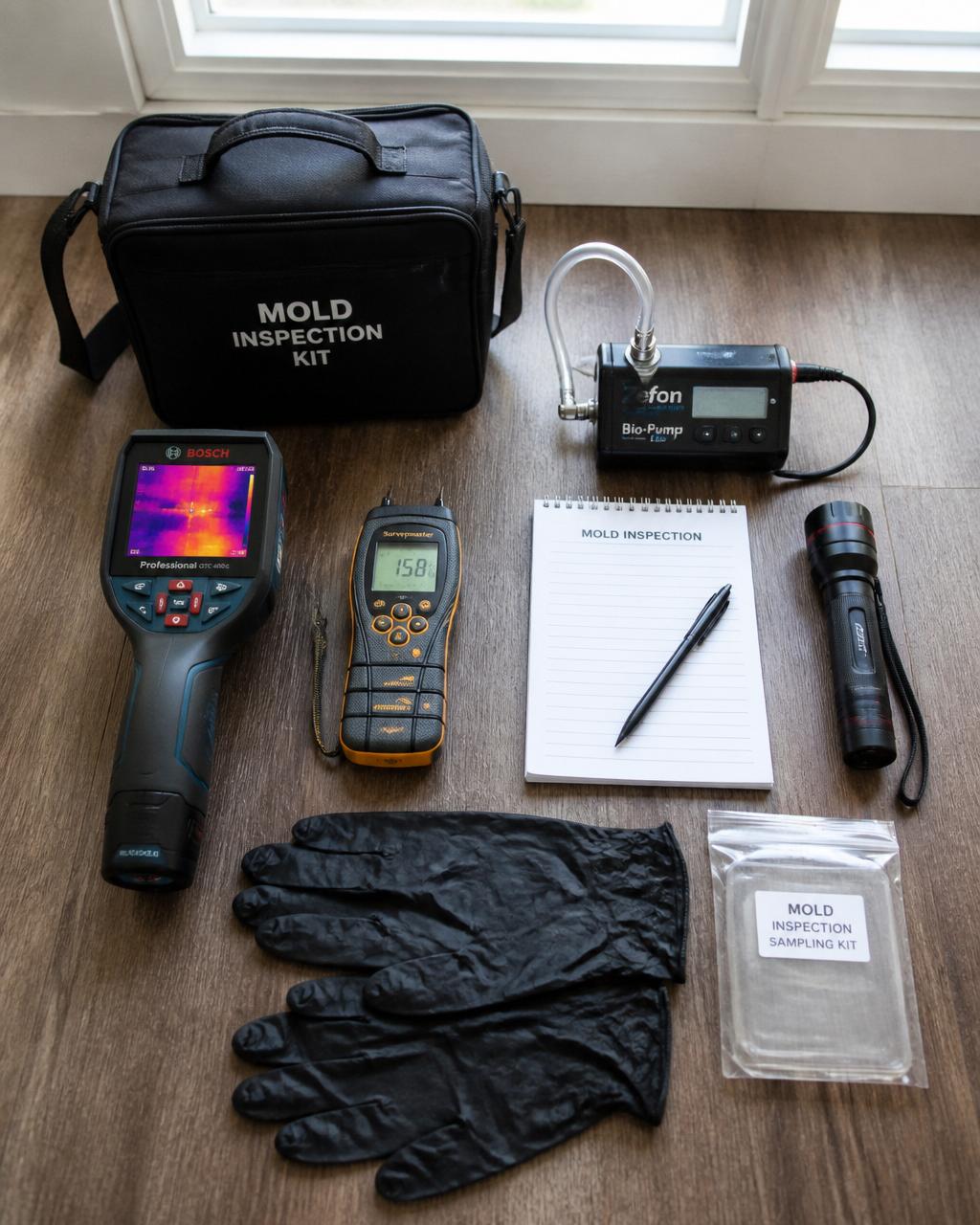
Inspections start at $250 with moisture mapping, thermal imaging and — when needed — lab-analyzed air samples.