- →Mildew is a surface-level fungus; mold penetrates the material it grows on.
- →Mildew wipes off with a household cleaner; true mold does not.
- →Any 'mildew' that keeps returning is almost always mold with a hidden moisture source.
- →Test — don't guess — when the affected area is larger than a bath towel.
In Florida, the words 'mold' and 'mildew' get used interchangeably — usually to describe anything dark and fuzzy growing where it shouldn't. But they're not the same thing, and mixing them up leads homeowners to under-treat serious problems.
What each one actually is
Both mold and mildew are fungi, and both reproduce with airborne spores. The key differences are structural.
Mildew
Mildew is a specific type of fungus (typically powdery or downy) that stays on the surface. It shows up as flat, gray-white or yellow patches on shower tile, grout, window sills and fabric. It doesn't damage the substrate — it just sits on top of it.
Mold
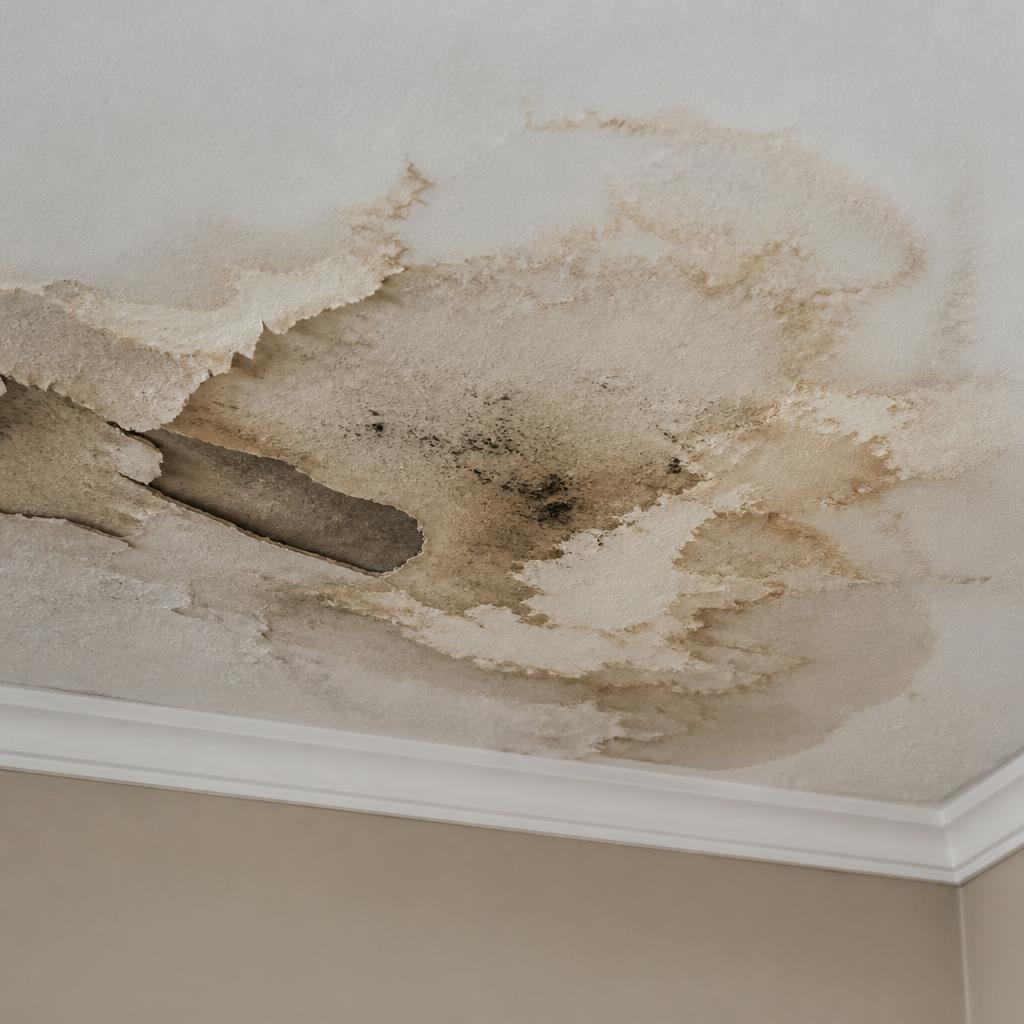
Mold is a broader category of multi-cellular fungi that sends hyphae (root-like structures) into whatever it grows on. That's why mold on drywall paper or wood framing has to be removed with the material — you can't just scrub it off.
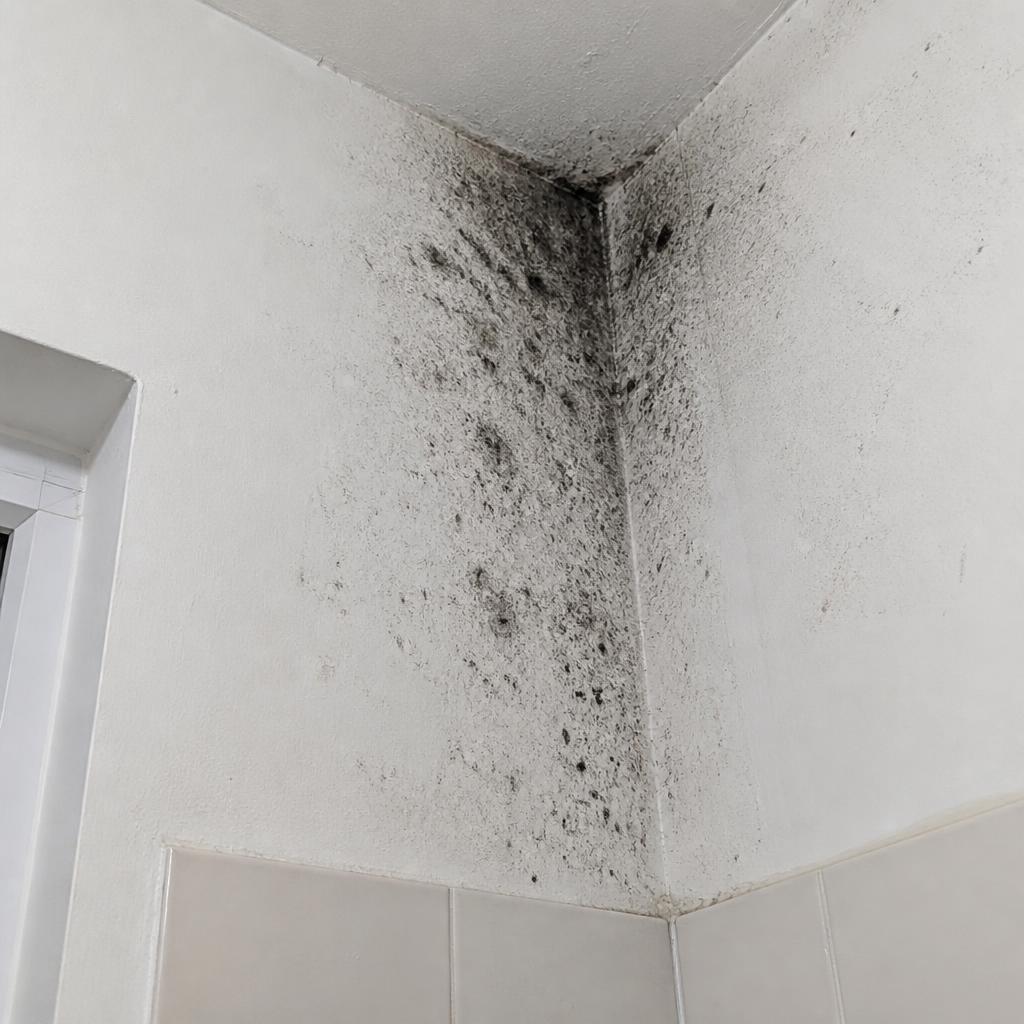
How to spot the difference
- Texture: mildew is powdery/downy, mold is fuzzy or slimy.
- Color: mildew is gray, white or yellow. Mold is green, black, blue, brown or pink.
- Test: wipe with a paper towel and mild detergent. Comes off completely? Likely mildew. Leaves a stain or grows back within days? Assume mold.
- Location: mildew loves flat, non-porous surfaces (glass, tile). Mold loves porous materials (drywall, wood, insulation, fabric).
Health and structural risk
Neither is 'safe' at high indoor levels, but the risks scale differently.
- Mildew — mostly cosmetic. Can trigger allergy symptoms if left to spread.
- Mold — can cause chronic respiratory symptoms, asthma attacks, sinus issues and headaches. Also damages the building itself by breaking down cellulose in drywall, wood and paper products.
"If 'mildew' keeps coming back in the same spot within a week or two, it isn't mildew — it's mold with a moisture source you haven't found yet."
What to do about each
For mildew
- Clean with a bathroom-safe surfactant or a dilute vinegar solution.
- Improve ventilation — run the bath fan for at least 20 minutes after showers.
- Wipe surfaces dry after use to break the moisture cycle.
For mold
- Stop cleaning — you're aerosolizing spores.
- Isolate the room if possible (close doors, turn AC off).
- Book a mold inspection with moisture testing to find the source.
- Follow lab results into a proper remediation scope with containment.
Can mildew turn into mold?+
Not literally — they're different organisms — but the same conditions that let mildew flourish (moisture and warmth) will attract mold species too. Untreated mildew is a warning that the environment supports mold.
Is a home test kit good enough?+
Home kits can confirm mold is present, but they can't tell you the species, concentration relative to outdoor baseline, or the source. For anything you're worried about, use a lab-analyzed sample interpreted by an inspector.
Book a Central Florida mold inspection.
Inspections start at $250 with moisture mapping, thermal imaging and — when needed — lab-analyzed air samples.